Introduction: The Switch That Felt Simple
What I wish I knew before switching to an iPhone isn’t something you’ll find clearly explained in launch events, YouTube reviews, or spec comparison charts.
Before switching, I watched countless videos.
I read blogs.
I compared models, cameras, processors, and battery sizes.
Everything made the switch feel obvious.
“iPhone is smooth.”
“iPhone just works.”
“Once you use iPhone, you’ll never go back.”
And yes — all of that is partly true.
But the truth is far more layered.
Switching to an iPhone is not just changing a phone.
It’s changing how you use technology every single day.
Some changes feel amazing.
Some feel uncomfortable.
Some feel unnecessary.
And those are the things I wish someone had explained honestly.
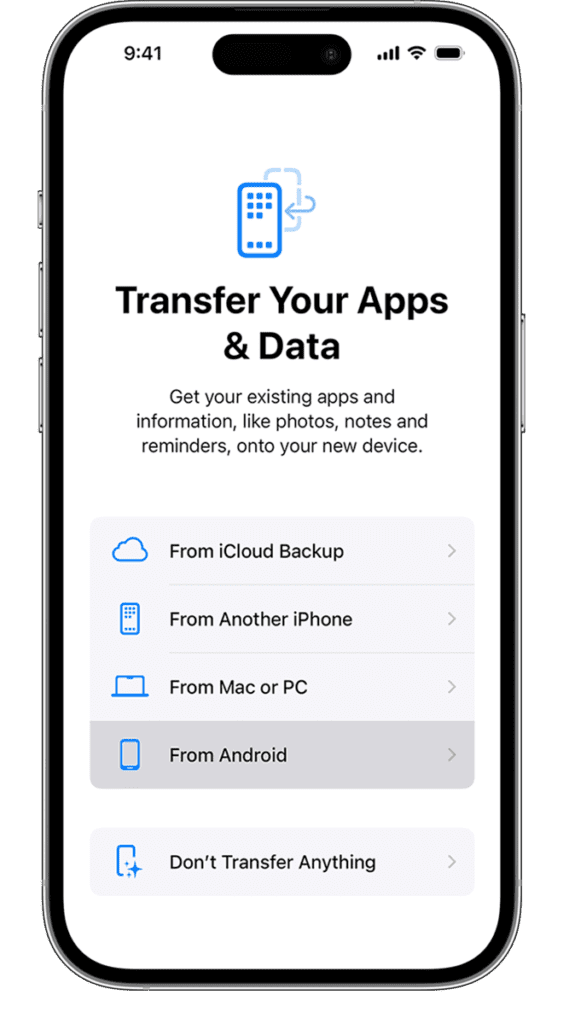
iPhone After 6 Months of Use: Top 9 Honest Pros and Cons
Why I Decided to Switch to an iPhone
Like many Android users, I didn’t switch because my Android phone was bad.
I switched because:
- I wanted long-term stability
- I was tired of random bugs after updates
- I wanted a reliable camera, not just impressive specs
- I kept hearing how “peaceful” the iPhone experience was
And most importantly — curiosity.
When something is praised this much, you want to know if it’s real.
So I made the jump.
The First Feeling: Calm, Clean, and Confident
The moment you unlock an iPhone, you notice something immediately.
Not speed.
Not camera.
Not display.
It’s calm.
Animations don’t rush you.
Gestures feel predictable.
Nothing jumps, flashes, or overwhelms you.
At first, it feels like:
“Wow… this is premium.”
And it truly is.
But here’s the first truth I wish I knew before switching to an iPhone:
Calm comes from control — and control has boundaries.
You don’t feel those boundaries on Day 1.
You start feeling them later.
The First Week: When the Honeymoon Is Strong
The first week with an iPhone is usually fantastic.
Everything feels intentional: (What I Wish I Knew Before Switching to an iPhone)
- Apps open smoothly
- Camera quality feels consistent
- Battery drain feels predictable
- No sudden heating issues
Even small things feel refined: What I Wish I Knew Before Switching to an iPhone
- Face ID works naturally
- Haptics feel precise
- System sounds feel polished
During this phase, many people think:
“Why didn’t I switch earlier?”
That’s normal.
But this is also the phase where real questions are hidden, not answered.
What No One Explains Clearly Before You Switch
Most reviews talk about: (What I Wish I Knew Before Switching to an iPhone)
- Camera samples
- Gaming performance
- Benchmarks
- Battery tests
But real life is different.
Real life is about:
- Sharing files
- Managing notifications
- Customizing your phone
- Using third-party apps
- Doing small repetitive tasks daily
And this is where what I wish I knew before switching to an iPhone truly begins.
File Management: The First Silent Shock
On Android, file handling feels natural.
You download something →
It appears in a folder →
You move it, rename it, send it, delete it.
On iPhone?
Files exist — but not freely.
- Some files stay inside apps
- Some downloads don’t appear where you expect
- Sharing files often requires extra steps
Nothing is broken.
Nothing is impossible.
But everything feels indirect.
It’s like living in a well-designed house where:
- Every door exists
- But some doors need permission to open
This is the moment some users feel uncomfortable — even if they can’t explain why.
Customization: Less Chaos, Less Freedom
Before switching, I thought: What I Wish I Knew Before Switching to an iPhone
“iPhone now supports widgets — customization is solved.”
That’s only half true.
Yes, you can:
- Add widgets
- Change wallpapers
- Rearrange icons
But you cannot truly personalize behavior the way Android allows.
You decorate — you don’t redesign.
For many people, that’s a relief.
For others, it feels limiting.
And you only know which one you are after switching.
Notifications: Cleaner but Weaker
iPhone notifications look neat.
But functionally?
They feel less powerful.
- Less granular control
- Less automation
- Less action-based flexibility
If you’re a heavy notification user —
this difference becomes noticeable very quickly.
The Emotional Shift Nobody Talks About
Here’s something rarely mentioned.
Switching to an iPhone changes how attached you feel to your phone.
Android often feels like: (What I Wish I Knew Before Switching to an iPhone)
“This is my device.”
iPhone feels more like:
“This is Apple’s device that I’m using.”
That’s not necessarily bad.
But it is different.
Some people love this feeling of being guided.
Some people miss ownership.
Early Realization: iPhone Is Not About Power
One important truth: What I Wish I Knew Before Switching to an iPhone
iPhone is not built for power users.
It’s built for: (What I Wish I Knew Before Switching to an iPhone)
- Consistency
- Reliability
- Predictability
If you enjoy tweaking, testing, modding, or experimenting —
iPhone will slowly frustrate you.
If you want things to “just work” every day —
iPhone will feel peaceful.
Life After 30 Days: When Reality Replaces Excitement
After a month, the excitement fades.
You’re no longer:
- Exploring settings
- Admiring animations
- Comparing camera samples
You’re just using the phone.
This is where what I wish I knew before switching to an iPhone becomes extremely clear — because this phase decides whether you’ll love iPhone long-term or quietly miss Android.
The iPhone doesn’t suddenly disappoint you.
Instead, it slowly reveals its philosophy.
The Ecosystem: Comfort That Slowly Becomes a Cage
Let’s talk about the biggest, most misunderstood part of switching to an iPhone.
The ecosystem.
At first, it feels magical.
- Photos sync automatically
- Notes appear everywhere
- Copy on one device, paste on another
- Calls and messages flow smoothly
You feel productive without trying.
But here’s the truth I wish I knew earlier:
The ecosystem is designed to keep you inside, not empowered outside.
The deeper you go, the harder it feels to step back.
Why the Ecosystem Feels So Good
Apple’s ecosystem removes friction.
You don’t:
- Manually transfer files
- Worry about compatibility
- Reconfigure apps on new devices
Everything feels connected.
This is incredibly valuable for: What I Wish I Knew Before Switching to an iPhone
- Professionals
- Students
- People who value simplicity
But there’s a trade-off.
The Silent Dependency Nobody Mentions
Once you rely on: (What I Wish I Knew Before Switching to an iPhone)
- Cloud sync
- Device continuity
- Platform-specific features
Switching back feels inconvenient.
Not painful — inconvenient.
And inconvenience is powerful.
It doesn’t trap you forcefully.
It nudges you to stay.
This is one of the most important things I wish I knew before switching to an iPhone.
File Sharing & Transfers: Small Friction, Daily
Remember how Android allows you to: What I Wish I Knew Before Switching to an iPhone
- Plug into any PC
- Drag and drop files
- Use any app freely
On iPhone, file sharing works — but:
- Through specific apps
- With specific rules
- With extra steps
It’s not broken.
It’s not terrible.
It’s just… not flexible.
And flexibility matters more than people admit.
Battery Life: Predictable, Not Impressive
One thing iPhone does extremely well is battery stability.
You don’t experience:
- Sudden overnight drain
- Random heating
- Wild performance drops
Battery behavior is consistent.
But here’s the reality:
- Charging is slower
- Accessories are extra
- Fast charging isn’t aggressive
Android feels like:
“Charge fast, worry later.”
iPhone feels like:
“Charge calmly, last longer.”
Neither is wrong.
But expectations matter.
Charging Accessories: The Hidden Cost Begins
This is where costs quietly expand.
When switching to iPhone, many people forget: (What I Wish I Knew Before Switching to an iPhone)
- Charger may not be included
- Certified cables cost more
- Repairs are expensive
At first, you don’t notice.
But over time:
- Accessories add up
- Replacement parts hurt the wallet
This doesn’t mean iPhone is overpriced.
It means:
Ownership cost is long-term, not upfront.
And this is something I absolutely wish I knew before switching to an iPhone.
App Experience: Polished but Paid
iPhone apps generally feel: (What I Wish I Knew Before Switching to an iPhone)
- More refined
- Better optimized
- Visually consistent
But there’s a pattern.
Many useful apps:
- Push subscriptions aggressively
- Lock features behind paywalls
- Offer fewer free alternatives
Android feels like a playground.
iPhone feels like a curated store.
Again — preference matters.
Notifications Revisited: The Missed Opportunity
After weeks of usage, notification limitations become clearer.
- Less customization
- Fewer smart actions
- Less automation
If notifications are central to your workflow, you’ll feel this.
If you’re a light user, you may never care.
This is why iPhone feels perfect for some people — and slightly frustrating for others.
Privacy: Real or Reassuring?
Apple talks a lot about privacy.
And to be fair: (What I Wish I Knew Before Switching to an iPhone)
- App permissions are transparent
- Tracking controls are clear
- System behavior feels respectful
But here’s the subtle truth:
Privacy on iPhone feels managed, not customizable.
You trust Apple to protect you —
rather than controlling every layer yourself.
For many users, this is comforting.
For others, it feels like giving up control.
The Emotional Shift After Switching
One thing nobody explains emotionally: (What I Wish I Knew Before Switching to an iPhone)
After switching to iPhone, you stop thinking about your phone.
That sounds positive — and it often is.
But it also means:
- Less experimentation
- Less excitement
- Less personalization
iPhone becomes an appliance.
Reliable. Calm. Predictable.
If you love that — you’ll never look back.
If you enjoy tweaking — you may feel bored.
The Big Question: Did I Regret Switching?
Here’s the honest answer.
No — I didn’t regret it.
But I redefined what satisfaction means.
Satisfaction on Android came from:
- Control
- Customization
- Freedom
Satisfaction on iPhone comes from:
- Peace
- Reliability
- Consistency
Neither is superior.
They are philosophically different.
The Moment of Clarity: When You Finally Understand iPhone
Somewhere between the second and third month, something interesting happens.
You stop comparing.
You stop adjusting.
You stop questioning.
At this stage, what I wish I knew before switching to an iPhone becomes crystal clear — not as a complaint, but as understanding.
You finally realize:
iPhone is not trying to be everything.
It’s trying to be consistent.
Once that clicks, everything else makes sense.
The iPhone Philosophy
Think of Android and iPhone like vehicles.
Android is like a manual transmission car:
- More control
- More learning
- More flexibility
- More chances to mess things up
iPhone is like an automatic luxury sedan:
- Smooth ride
- Predictable behavior
- Less effort
- Fewer surprises
Neither is better universally.
But choosing the wrong one for your personality leads to disappointment.
The Real Pros of Switching to an iPhone
Let’s be honest and clear.
✅ 1. Long-Term Stability Is Real
This is not marketing.
Months later:
- Apps behave the same
- Updates don’t break things
- Performance remains steady
You stop worrying about:
- RAM management
- App killing
- System cleanup
That peace is valuable.
✅ 2. Camera Consistency Beats Camera Tricks
You may not always get dramatic photos.
But you almost always get:
- Accurate colors
- Reliable exposure
- Excellent video
It’s a camera you can trust, not experiment with.
✅ 3. Updates That Actually Matter
Software updates arrive: (What I Wish I Knew Before Switching to an iPhone)
- On time
- For years
- Without device discrimination
You don’t feel abandoned after one year.
✅ 4. Resale Value & Longevity
This matters more than people admit.
iPhones: (What I Wish I Knew Before Switching to an iPhone)
- Retain value
- Age gracefully
- Feel usable longer
Your investment stretches further in time.
The Real Cons of Switching to an iPhone
Now the uncomfortable part.
❌ 1. Customization Will Always Feel Limited
No matter how many updates arrive, iPhone will never:
- Allow deep system modification
- Offer full launcher freedom
- Match Android-level control
If customization is joy for you — you’ll miss it.
❌ 2. File Handling Never Feels Natural
Even after months: (What I Wish I Knew Before Switching to an iPhone)
- Files feel hidden
- Sharing feels restricted
- App boundaries feel artificial
You adapt — but you don’t forget.
❌ 3. The Ecosystem Lock Is Subtle but Strong
This is not fear-mongering.
It’s design.
Once your:
- Photos
- Notes
- Messages
- Purchases
Live inside the ecosystem, leaving feels inconvenient.
And inconvenience is enough to keep most people inside.
❌ 4. Power Users Will Feel Constrained
If you enjoy:
- Automation
- System tweaks
- Advanced workflows
iPhone will feel like a locked door with a polite smile.
Who Should Buy an iPhone (Honestly)
You should switch to an iPhone if: (What I Wish I Knew Before Switching to an iPhone)
- You value peace over power
- You want consistency, not experimentation
- You don’t enjoy tweaking settings
- You use your phone mainly for:
- Social media
- Photography
- Work apps
- Daily communication
- You plan to keep your phone long-term
For these users, iPhone feels effortless.
Who Should Avoid an iPhone (Be Honest With Yourself)
You should seriously reconsider switching if: (What I Wish I Knew Before Switching to an iPhone)
- You love deep customization
- You frequently manage files
- You rely on advanced notification actions
- You enjoy testing new features
- You want maximum control over your device
- You dislike subscription-heavy apps
For these users, iPhone slowly becomes frustrating — not immediately, but over time.
The Psychological Difference Nobody Explains
This is one of the most important insights.
On Android:
You interact with your phone.
On iPhone:
You coexist with your phone.
Android invites you to explore.
iPhone invites you to relax.
Neither approach is superior — but they feel very different emotionally.
And this emotional difference is a huge part of what I wish I knew before switching to an iPhone.
The Comfort Trap (Not a Negative, Just Reality)
Comfort is powerful.
Once you’re comfortable:
- You stop questioning
- You stop comparing
- You stop experimenting
This is why iPhone users often say:
“I don’t care about specs anymore.”
That’s not ignorance.
That’s comfort.
But comfort also reduces curiosity.
Whether that’s good or bad depends on who you are.
The Honest Verdict So Far
After months of real use, here’s the truth:
I didn’t switch because iPhone is better.
I switched because:
- It reduced friction
- It reduced mental load
- It reduced decision fatigue
And for my usage, that trade-off made sense.
But if someone had clearly explained what I wish I knew before switching to an iPhone, I would have switched with clearer expectations — and far less confusion.
The Question That Matters Most: Would I Switch Again?
After everything — the excitement, the limitations, the ecosystem, the calm — there’s one question people always ask:
“Knowing everything now, would you still switch to an iPhone?”
My honest answer?
👉 Yes — but for very different reasons than I originally thought.
And this is the most important thing I wish I knew before switching to an iPhone.
Why Most People Switch for the Wrong Reasons
Most people switch to an iPhone because of:
- Brand image
- Camera hype
- Social pressure
- “Everyone else has one” thinking
Those are weak reasons.
They don’t hold up after six months.
The people who stay happy with iPhones long-term usually switch for these reasons instead: (What I Wish I Knew Before Switching to an iPhone)
- They want less friction
- They want fewer decisions
- They want stability over control
- They want technology to fade into the background
If you switch for those reasons, iPhone makes sense.
If you don’t — disappointment slowly creeps in.
The Core Truth
If I had to summarize what I wish I knew before switching to an iPhone in one sentence, it would be this:
iPhone trades freedom for peace — and whether that’s worth it depends entirely on you.
That’s the whole story.
Everything else is a detail.
Conclusion (Clear & Honest)
iPhone Is NOT:
- The most flexible phone
- The best value-for-money device
- The most customizable platform
- The most exciting system to experiment with
iPhone IS:
- The most consistent smartphone experience
- A long-term, stable daily companion
- Emotionally calming to use
- Built for people who don’t want to “manage” their phone
Once you understand this, the decision becomes easy.
Who Ends Up Loving iPhone the Most
From observation and experience, the happiest iPhone users are: (What I Wish I Knew Before Switching to an iPhone)
- Professionals who rely on their phone daily
- Students who want reliability
- Creators who value camera consistency
- People tired of fixing tech issues
- Users who keep phones for 3–5 years
They don’t chase specs.
They chase peace.
Who Quietly Regrets the Switch
The users who regret switching usually: (What I Wish I Knew Before Switching to an iPhone)
- Loved Android customization deeply
- Enjoyed modding and tweaking
- Expected iPhone to “do more”
- Confused polish with power
- Wanted freedom disguised as simplicity
Their regret isn’t loud — it’s subtle.
They adapt, but they don’t feel at home.
The Emotional Ending Nobody Talks About
Here’s something very human.
After switching to an iPhone, you stop thinking about phones.
That sounds good — and it is.
But it also means:
- Less excitement
- Less curiosity
- Less attachment
Your phone becomes a tool, not a toy.
For many adults, that’s exactly what they want.
For enthusiasts, it can feel… empty.
Neither feeling is wrong.
Final Advice Before You Switch (Read This Carefully)
Before switching to an iPhone, ask yourself three honest questions: (What I Wish I Knew Before Switching to an iPhone)
- Do I enjoy controlling my device, or just using it?
- Do I want excitement, or reliability?
- Do I value freedom, or peace?
Your answers matter more than:
- Camera megapixels
- Chip names
- YouTube opinions
FAQ Section
1. Is switching to an iPhone worth it in 2025?
Yes, if you value long-term stability, consistent performance, and peace of mind over customization and experimentation.
2. What is the biggest downside of switching to an iPhone?
The biggest downside is reduced freedom — especially in customization, file handling, and system-level control.
3. Will Android users feel restricted on iPhone?
Yes, especially power users. Casual users usually adapt quickly and enjoy the simplicity.
4. Is the iPhone ecosystem a benefit or a trap?
Both. It improves convenience dramatically but makes leaving inconvenient once you’re deeply invested.
5. Does iPhone feel boring after some time?
For tech enthusiasts, yes. For everyday users, boring often means reliable — which is a positive.
6. Is iPhone good for long-term use?
Absolutely. iPhones age well, receive long updates, and retain resale value better than most phones.
7. Should first-time smartphone users choose iPhone?
Yes. iPhone is extremely beginner-friendly and forgiving.
8. What should I know before switching to an iPhone from Android?
Know that you are trading control for consistency, freedom for polish, and experimentation for stability.
What I wish I knew before switching to an iPhone is not something Apple advertises.
It’s something you feel over time.
iPhone won’t excite you every day.
It won’t surprise you often.
It won’t let you do everything your way.
But it will:
- Show up every day
- Work the same way
- Ask very little from you
And for many people — that’s exactly the point.